
Tokyo Attraction
Must‑See Attractions in Tokyo for Short Visits
Tokyo’s landmarks range from ancient temples to modern towers. Conference attendees often have limited free time, so planning which sites to visit is important. The attractions in this section can be enjoyed in a few hours or half a day, making them suitable for breaks between Teaching and Education Conference sessions.
Senso‑ji Temple and Asakusa – history and shopping
Senso‑ji in Asakusa is Tokyo’s oldest temple and a centre of spiritual life. Approaching the temple, visitors walk through the Kaminarimon (Thunder Gate) with its large lantern and then down Nakamise‑dori, a street lined with stalls selling traditional snacks and souvenirs. The main hall is richly decorated, and people of all backgrounds come to offer prayers or draw omikuji fortune slips. Behind the temple, quiet gardens and smaller shrines offer a calm escape from the crowds. The area around Asakusa also has rickshaw drivers who provide tours of the neighbourhood. Senso‑ji is open every day and free to enter.

Meiji Shrine and Yoyogi Park – a forest in the city
Meiji Shrine sits within a large evergreen forest near Harajuku and Shibuya. Dedicated to Emperor Meiji and Empress Shoken, the shrine buildings are approached through towering torii gates and wide gravel paths. Visitors can participate in Shinto rituals such as making offerings or writing wishes on wooden plaques called ema. Adjacent Yoyogi Park is a spacious green area popular for picnics, jogging, and seasonal events. On weekends, you may see groups practising dance or music. The contrast between the peaceful shrine and the lively park shows Tokyo’s balance of tradition and modern life.

Tokyo Skytree or Tokyo Tower – city views from above
Tokyo Skytree is the tallest structure in Japan at 634 metres. Its two observation decks offer panoramic views that stretch to Mount Fuji on clear days. The base of the tower includes shops, restaurants, and an aquarium. For a classic experience, Tokyo Tower, inspired by the Eiffel Tower, provides a different viewpoint at a lower height. Both towers allow visitors to appreciate the scale of the city. Visiting early in the morning or in the evening helps avoid long waits.

Imperial Palace East Gardens – a quiet refuge
The Imperial Palace sits on the site of Edo Castle, the seat of the Tokugawa shogunate. While the inner palace buildings are not open to the public, the East Gardens are accessible and free. Visitors can walk through carefully maintained lawns, the stone foundations of the old castle, and a small museum that explains the site’s history. The gardens feature seasonal flowers such as irises in June. A short visit here offers calm and a sense of the city’s historical centre.
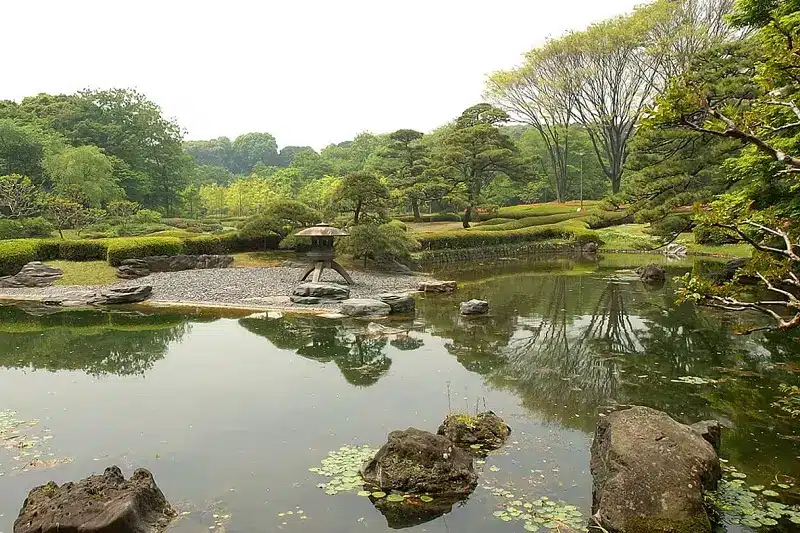
Shinjuku Gyoen National Garden – mixed garden styles
Shinjuku Gyoen combines Japanese, English, and French garden designs. Wide lawns, traditional tea houses, and a greenhouse with tropical plants provide varied scenery. The garden is especially beautiful in spring with cherry blossoms and in autumn when leaves turn red and gold. An entrance fee is required, but the garden is well-maintained and provides a quiet space in the middle of busy Shinjuku.

Odaiba and TeamLab Planets – futuristic entertainment
Odaiba is a man‑made island in Tokyo Bay connected by the Rainbow Bridge. It offers shopping centres, leisure facilities, and seaside promenades with views of the city skyline. One standout attraction is TeamLab Planets, an immersive digital art museum where visitors walk through rooms filled with moving light projections and mirror surfaces. Tickets should be booked in advance. Odaiba is a suitable choice for an evening outing with restaurants and entertainment in one place.

